Are you planning a large community event? Making sure people have easy access to water is one of the most important parts of the planning process. Keeping people hydrated during community events is about more than just preventing thirst. Proper hydration is essential for health and will impact the overall success of the event.
If you’re in the planning process for a parade, run, or other city-wide event, here’s what you need to consider about hydration.
Where Will People Get Water?
This is one of the most important questions you’ll ask during the planning process. And while it’s an important question to ask during the planning of any size event, it’s much easier to answer when an event is small. When an event is attended by hundreds or thousands of people, ensuring that everyone stays hydrated is a more complicated challenge.
Event planners must craft a thoughtful hydration plan that makes water accessible, keeps everyone at the event comfortable, and minimizes unnecessary waste.
How Will People Move Through the Event?
One of the most important factors in planning hydration access at larger events is considering the attendee flow through the event.
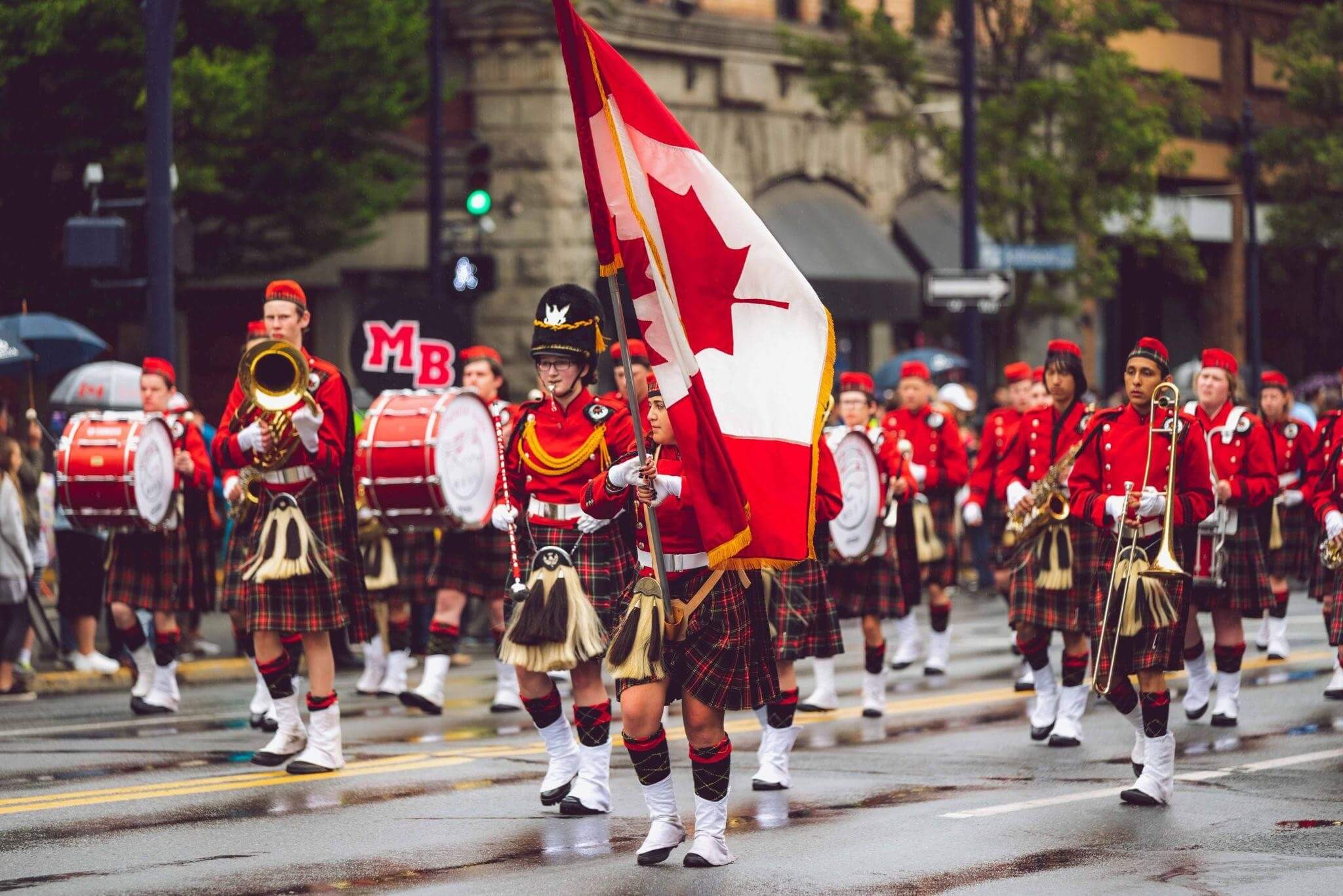
Start by looking at your overall event layout. For example, if you’re planning a parade, people are spread along the route and mostly stay stationary as parade participants pass by them. People might leave for a moment, but they’ll return to their spot as soon as possible to watch the event.
On the other hand, a charity run or walk puts participants in different places constantly. The support team stays stationary, but the majority of event attendees are constantly on the move.
For festivals and carnivals, you’re dealing with a third variation in scenarios. There are often multiple activities occurring at the same time. People move from place to place, and they might stop in a specific place for a few minutes or for hours depending on the entertainment and activities at the event.
In all of these cases, you need to locate water stations strategically throughout the event; the placement varies based on the movement behaviour of event attendees. What makes sense for a parade won’t be as effective for a charity run or walk.
Before deciding how many water stations you need, consider:
- What are the gathering spots for attendees?
- How far must participants and attendees travel to reach hydration stations?
- Where are lines and congestion likely to occur?
- What areas will draw the highest concentration of people?
- Is the event outdoors? Are there indoor “escape” spaces?
- Are event attendees stationary, constantly moving, or periodically moving?
Attendance Estimates
Once you understand the layout of your community event, you’ll want to estimate attendance.
Knowing the approximate number of attendees is important for a variety of reasons. Event planners spend a lot of time estimating attendance.
But effective water planning goes beyond having a general idea of how many people will show up. You also need to break down who will be doing what during the event.
For example, if you’re planning a charity run or race, you might be expecting 2000 people, but not all of them will be running. And even out of all of the runners, not all of them will want water at exactly the same time.
During the planning process, you’ll want to consider how many people are attending and when and where they’re likely to need water. From there, you can decide how much water you need and where to locate access to hydration.
Weather
Things you can’t control can affect decisions about water. One of the most impactful factors beyond your control is the weather.
People need access to water no matter the weather, but they’re likely to need more water on hot, sunny days than on cool, cloudy ones. Activity level also affects their water consumption needs. On a hot day, everyone needs plenty of water, but if they’re participating in an athletic activity, that need increases even more.
Do your best to forecast potential weather conditions, then watch the forecast closely as the event day approaches. You can make adjustments if conditions change.
How They’ll Get Water
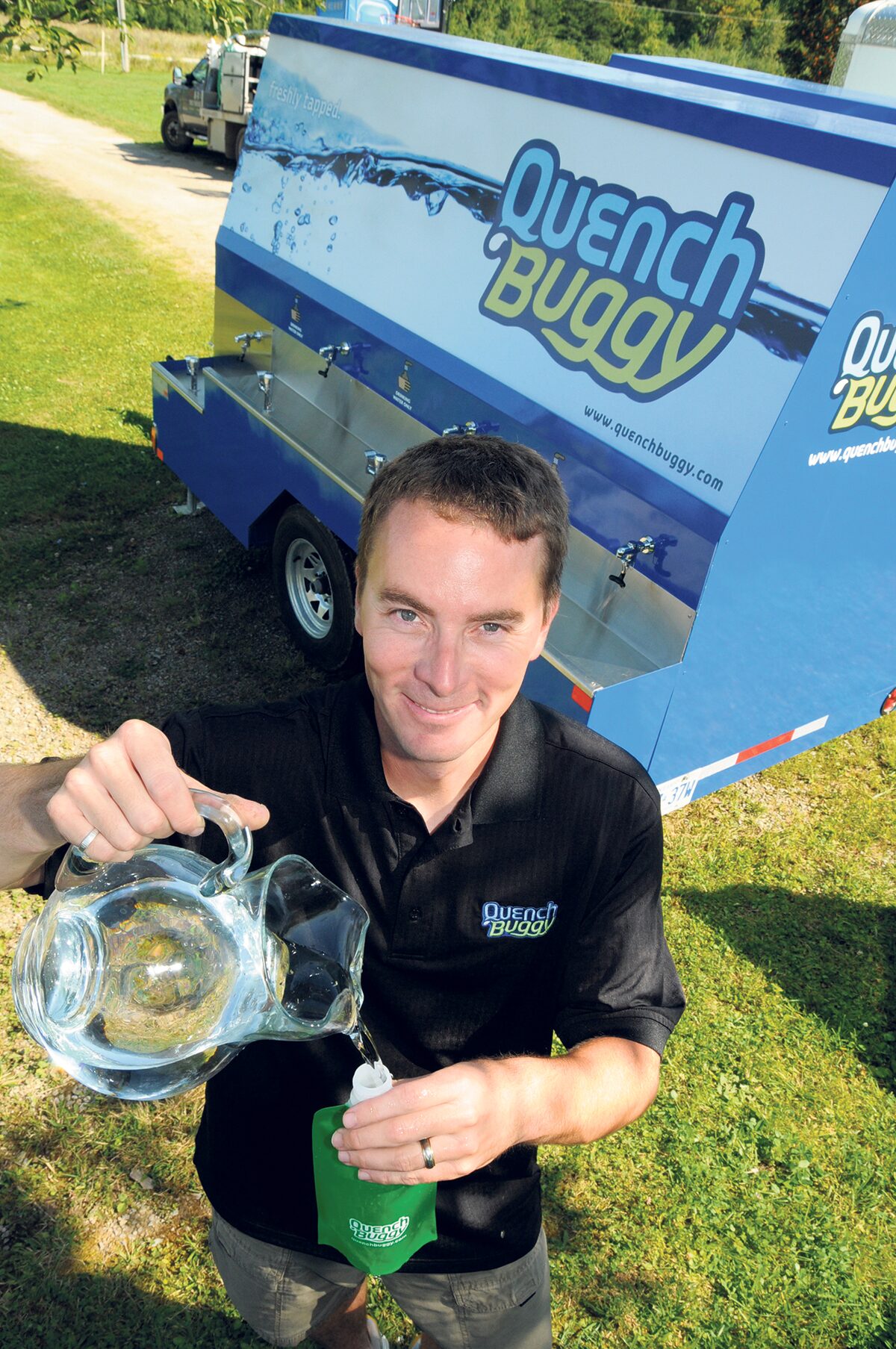
Finally, you’ll need to determine how they’ll get water. A popular option is plastic water bottles, but these bottles are far from the most efficient or environmentally friendly option. Hydration stations are a much more practical and eco-friendly alternative that also provide branding and sponsorship opportunities.
Let Quench Buggy Help With Your Next Event
If you’re looking for a way to provide water in a sustainable way to any size group of people, Quench Buggy can help. We’ve provided clean drinking water to events big and small with our line of mobile hydration stations. To learn more or to schedule a quick call, contact us today.