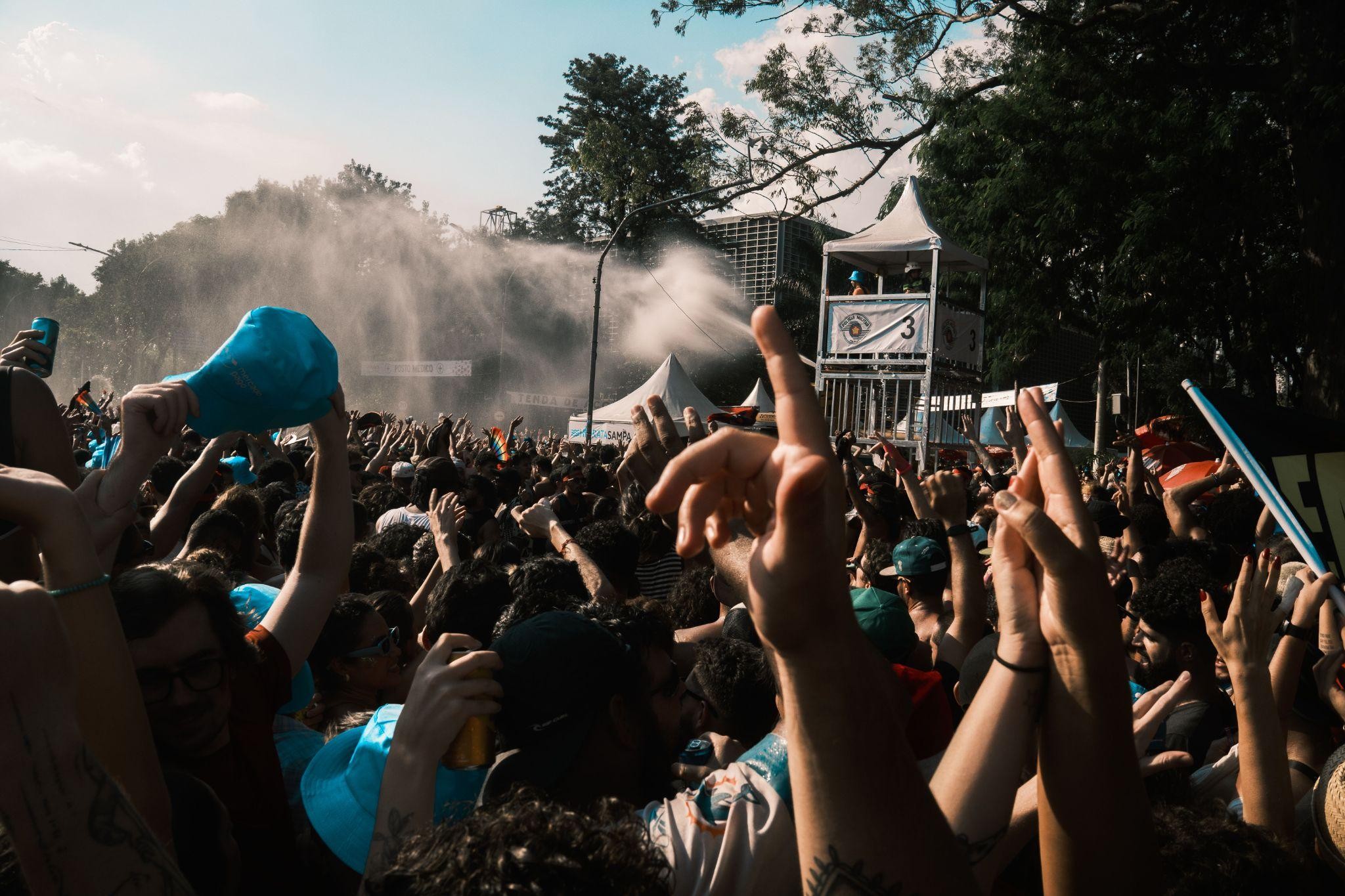
Event organizers have a lot to consider, including how they’re going to keep attendees hydrated. If you’re organizing an event, you already know that water is an important factor in your planning. Keeping everyone hydrated isn’t as simple as just “giving them water.” You need a plan in place to ensure attendees have convenient access to adequate amounts of clean drinking water.
If you’re planning an event and you need help with the logistics of keeping everyone hydrated, here’s what you need to know during each phase of the process.
Planning Hydration Before Event Day
Ensuring attendees at your event have access to enough clean drinking water begins long before the event. Decisions about hydration should be made during the planning stages of your event. Proper hydration requires you to consider the following:
- Attendance
- Duration of event
- Outdoor vs. indoor
- Weather forecast
- Activity level
Considering these things helps you estimate approximately how much water you’ll need. For example, will attendees be sitting and listening to lectures, or dancing and moving around? If the event is outdoors, is it scheduled during the height of summer or is it a fall or spring event?
In addition to determining how much water you’ll need, you’ll also need to decide how you’ll provide water.
Many event planners assume that access to drinking water is as simple as selling bottled water on the day of the event. In most cases, bottled water is the least effective way to hydrate people at an event. Hydration stations are a much better option because they’re more convenient and environmentally friendly. Also, consider where you’ll place the hydration stations to reduce congestion and make it as convenient as possible to get water.
When in doubt, overestimate how much water you’ll need.
Ideally, you’ll want to begin planning your event’s hydration supply at the same time you begin planning the event. At the very least, leave yourself several weeks to make decisions about hydration.
Set Up on Event Day
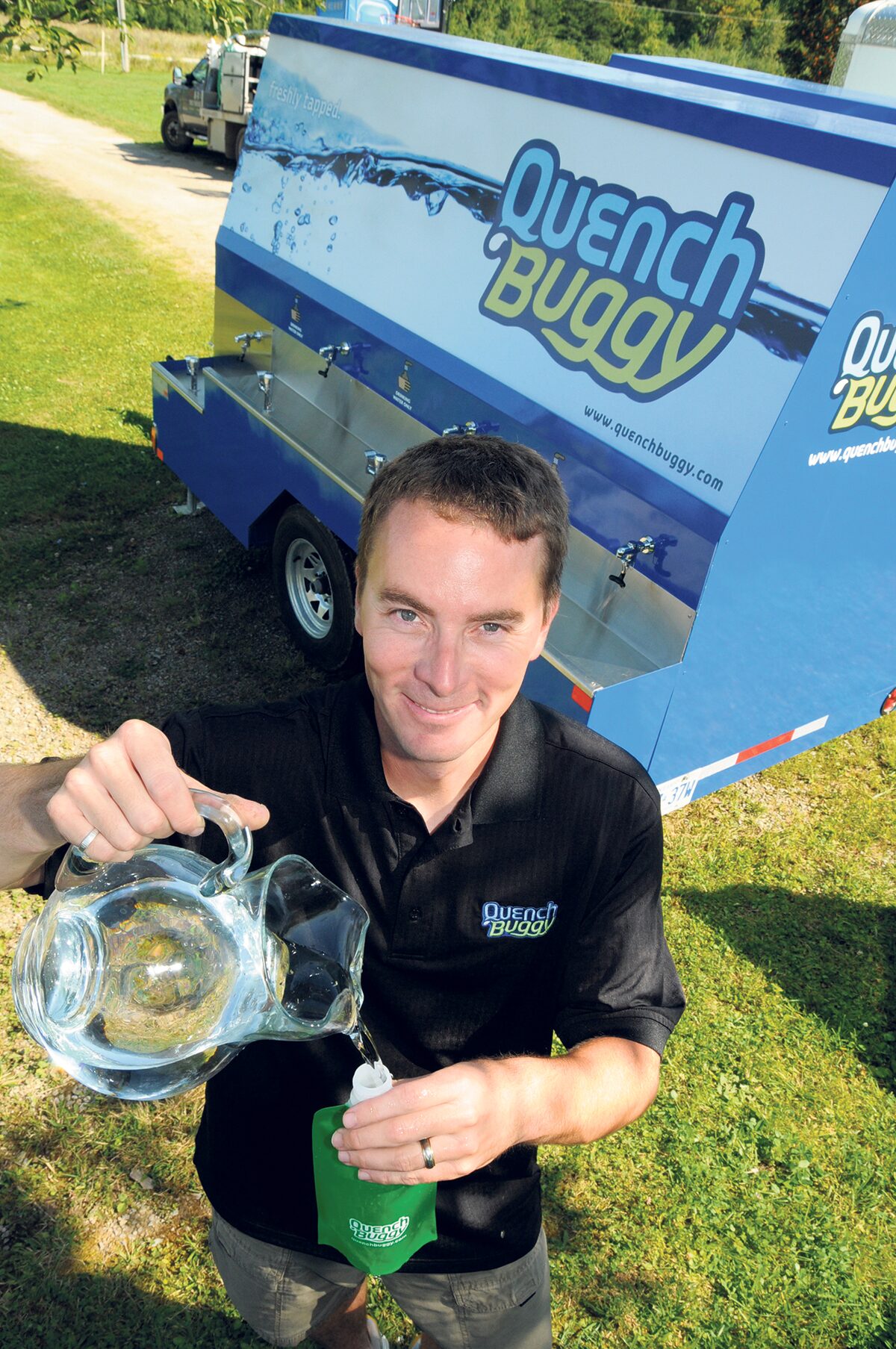
When the day of the event arrives, it’s time to set up your hydration stations. Most event organizers will want everything ready to go before people arrive. In most cases, hydration stations take a few hours to set up, but it can be as simple as just a few minutes if you’re using a ready-to-use mobile hydration cart.
A few hours before the event, you and/or your hydration team can tour the event site, assess ground conditions, determine if there are any challenges to getting your hydration stations in place, and troubleshoot any last-minute safety or other concerns. Ideally, you’ll have everything planned out, and your setup will go off without a hitch, but giving yourself a few hours for setup ensures you can make adjustments if needed.
Before attendees begin arriving, test the water stations to ensure they’re hooked up and operating as expected. Your test should include checking connections, water pressure, and any other last-minute concerns.
During the Event
Once the event is underway, there are still things event organizers need to do to ensure the water supply stays on track.
Throughout the event, you’ll need to monitor the water consumption. You and your hydration team can monitor usage through the day, allowing you to adjust refill schedules before water runs out and a water crisis occurs.
Keep in mind, events rarely go exactly as planned. Even those that go off without any serious hitches have a few bumps along the way. Some of the unexpected things that can pop up on the day of your event and affect the water supply include:
- Larger-than-expected attendance
- An event that lasts longer than expected
- Temperatures that are higher than predicted
- Last-minute venue layout changes
It’s impossible to predict exactly how much water people will drink on any given day. Having equipment and staff ready to respond on the day of the event prevents problems.
Breakdown
Once your event is over, you want a hydration solution that’s as easy to clean up as possible. When you work with Quench Buggy, we help you throughout the entire process, from planning to day-of-event setup, and breakdown following the event.
We disassemble our hydration stations and inspect the equipment to ensure nothing is damaged or left behind. We remove all equipment, signage, and waste materials, and move quickly to clear the area after cleanup.
Let Quench Buggy Handle Your Event Hydration
Successful event hydration requires planning before attendees arrive, monitoring usage throughout the event, and having a cleanup strategy afterward. Quench Buggy helps you prepare for each stage, ensuring guests stay comfortable and have easy access to water when they need it.
If you think Quench Buggy hydration stations might be right for your next event, contact us today.