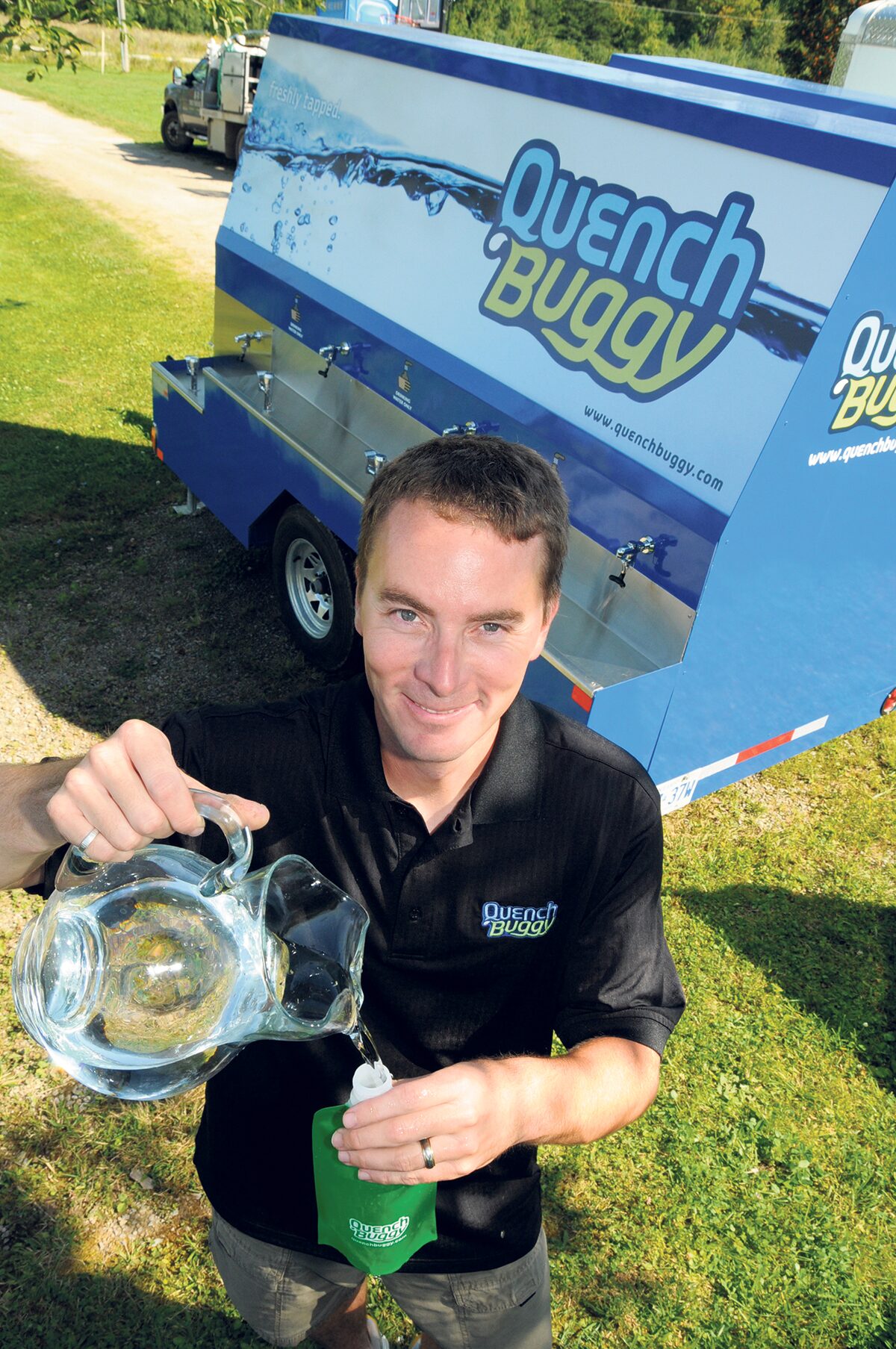
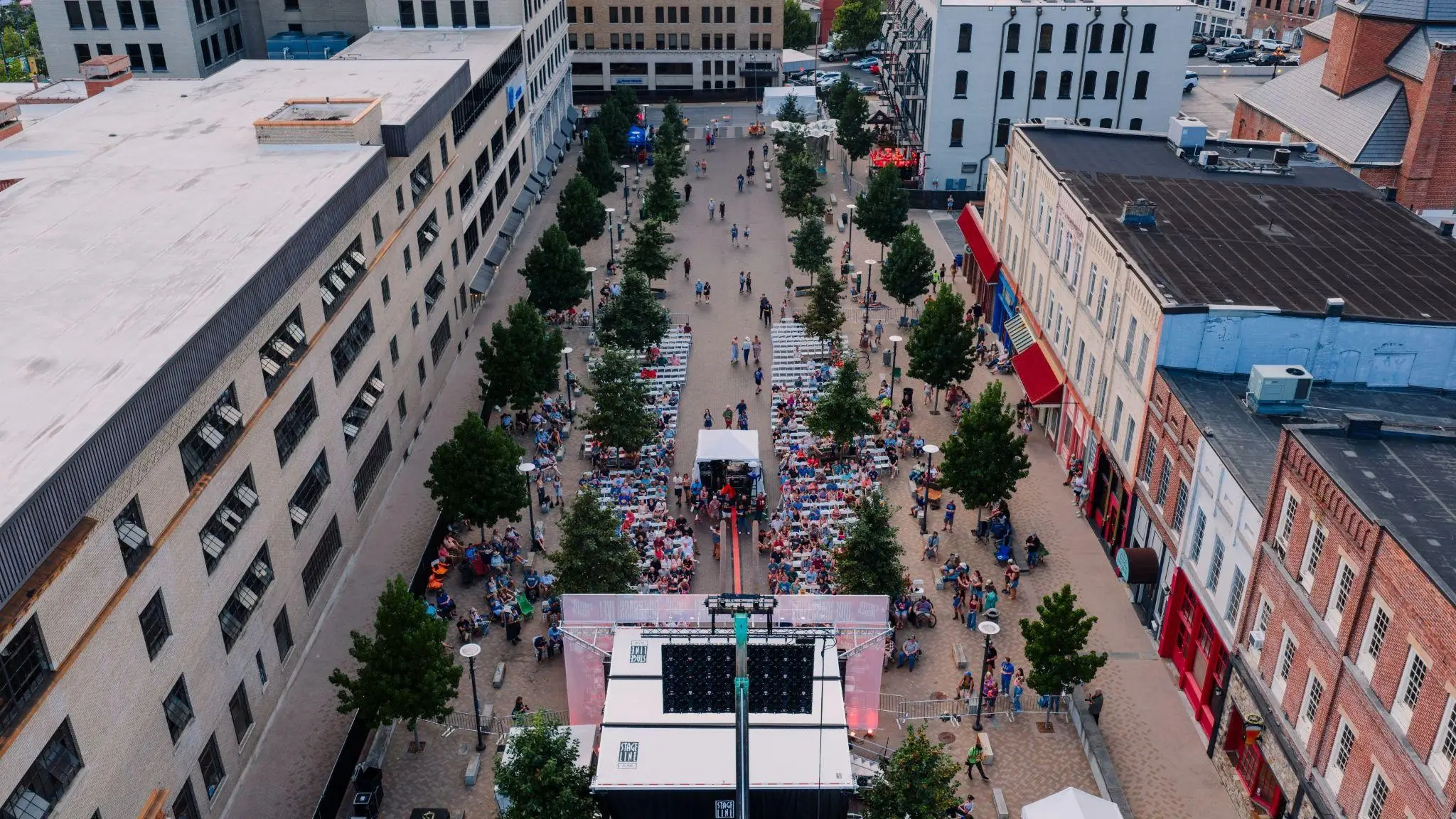
A well-planned event layout should take the event attendees’ health and hydration into account. To achieve this, you’ll need to incorporate hydration stations into your plans, right from the outset. This ensures attendees can easily access water without disrupting the flow of the event.
It isn’t enough just to have a sufficient amount of water. You also need to account for where attendees can access it and how to let them know where hydration stations are located.
The key is to think through your event’s needs first, then use that information to determine where hydration stations will work best within the site layout.
Consider Your Event’s Needs
If you’ve just begun planning your upcoming event, there are a few things to take into consideration before making decisions about your hydration needs. These factors will affect your choices about hydration, but they’ll also impact the overall planning of your event.
Your considerations include:
- Anticipated attendance range
- Indoor vs. outdoor venue
- Size and layout of event space
- Weather conditions and potential for severe weather
- Activity level of event attendees
- Staff and support personnel
- Flow of foot traffic and planned and spontaneous gathering places during the event
Once you have a general overview of these factors, you’ll be able to make decisions about all of the important features of your event. This helps you place hydration stations in locations that make sense and enhance the flow of the event.
Locating Your Hydration Stations
Now that you understand what you’re dealing with overall, you can choose the best location(s) for your hydration station(s).
A few things you’ll want to consider when locating hydration stations:
- What are the highest traffic areas, including entrances, exits, activities and seating areas?
- Where, if anywhere, will people spend extended periods?
- How many hydration stations do you need?
- If you have multiple hydration stations, how will you separate them to cover the most territory?
- How do you avoid congestion at hydration areas?
- Do event attendees have any special mobility needs?
- How will you alert event attendees to the location of your hydration stations?
Choosing the placement of your hydration stations is about more than just finding an open space where a unit “fits.” You need to take into account convenience, visibility, accessibility and more. The goal is to create a hydration setup that is easy for attendees to find and use while supporting smooth traffic flow throughout the event.
Hydration Stations and Site Maps
You’ve planned your event’s layout and chosen the best possible locations for the hydration stations. Now you need to include all of this information on your site map so attendees can find what they need during your event.
Your site map should include:
- Clearly marked locations of hydration stations
- Entrances and exits
- Stages or performance areas
- Activity areas
- Food and beverage areas
- Restrooms
- Medical and emergency resources
- Seating and gathering areas
- Any other site features that influenced station placement
Your map is an important tool that event attendees and volunteers will use. It should reflect the work you put into organizing the event space and be a useful tool for everyone on the day of your event.
Making Hydration Part of Your Event’s Infrastructure
A successful event is about more than just bringing a bunch of components together and hoping everything goes off without a hitch. You need to consider how you’ll keep participants comfortable and healthy throughout the event.
One of the most important aspects of comfort and good health is hydration. Considering the hydration needs of event attendees and determining how you’ll meet these needs should be part of the planning process. A thoughtful hydration plan can also help your event run more smoothly, giving attendees convenient access to water wherever they spend their time.
To learn more about one of the most versatile and convenient ways to manage hydration at your next event, contact Quench Buggy today.