
Planning an event can be an overwhelming experience. One thing event planners often fail to consider is their water footprint.
Offering water to event attendees is a critical part of your planning process. This is especially true when you’re planning an outdoor event where people will be exposed to the elements. Failing to plan could result in crowded lines, long waits, and an insufficient supply for attendees.
The good news is reducing the water footprint efficiently resolves many of these issues. So, how do you plan for a seamless water footprint and avoid common problems when keeping event attendees hydrated?
What Is a Water Footprint?
In some cases, “water footprint” refers to environmental impact. But when it comes to event planning and water supply, it’s the logistical setup required to ensure that event attendees stay hydrated.
Water footprint encompasses three factors:
- Power
- Water supply
- Placement
Considering these factors ensures event attendees will have a positive experience. They’ll have access to clean drinking water without a long wait. You’ll also be able to supply water for your event without relying on single-use plastic bottles of water.
Power
When making decisions about your event’s water supply, you’ll need to assess the venue’s electrical hookups and/or whether you’ll need a generator. Many modern hydration stations require water pumps, chilling systems, and filtration equipment. You might also need to power lighting in the hydration areas.
Access to reliable power ensures consistent water flow and proper performance of your hydration system. Not all hydration stations have the same requirements, and some might even be self-sustaining. The important thing is to know what’s required, if anything, beforehand, and plan appropriately.
Water Supply
No matter the requirements of your hydration station, you’ll need to consider how much water your event will require. Factors affecting how much water you’ll need for an event include:
- Size/attendance
- Weather conditions for the event, if it is outdoors
- Duration of the event
- Activity level during the event
To be on the safe side, you’ll want to err on the side of peak demand. If you know everyone will rush to refill their water bottles during certain periods of your event, such as an intermission or break, you’ll want to plan around those high-volume times. This reduces wait times and ensures your hydration stations aren’t depleted during peak demand.
Placement
One of the most challenging decisions event planners must make involves the placement of their hydration stations. A misstep could create long lines, extended wait times, and a lot of frustration among attendees.
When deciding where to place hydration stations, consider the following:
- Crowd flow patterns
- Activity zones
- Entry and exit points
- Food access
It might be tempting to place water stations all in one area, especially if you set up a food vendor/food truck area. While you’ll want to have at least one hydration station in these areas, it’s a good idea to sprinkle them in other areas, too (assuming you’ll have multiple hydration stations). This reduces crowds and congestion in these areas.
Additionally, make sure hydration areas are clearly marked so attendees can easily identify their rehydration options.
Other Things to Consider with Your Water Footprint
In addition to the three main factors, you’ll also want to consider:
- Event permits and regulations, including local health and safety requirements
- Maintenance needs to keep your stations up and running
- Monitoring, so you’ll know in real-time if water levels are adequate
Quench Buggy and Your Water Footprint
Planning a reliable hydration system for a large event takes more than simply placing a few water stations around the venue. It requires consideration of factors such as power sources, water supply, and strategic placement throughout the event space.
The good news?
Hydration stations are a seamless part of the guest experience rather than a logistical headache. Attendees can easily find water when they need it, lines stay manageable, and event organizers avoid last-minute problems that disrupt operations.
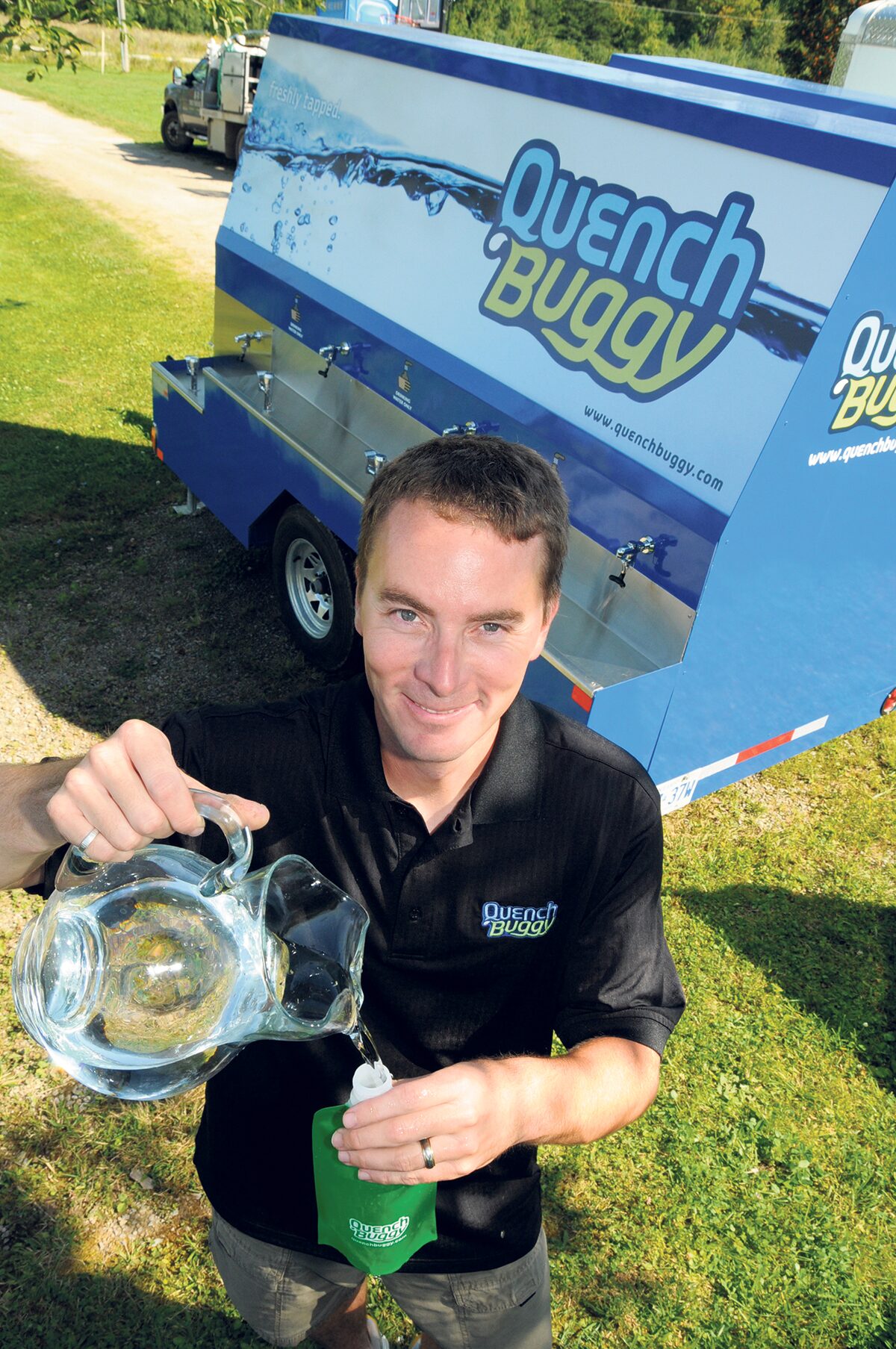
Working with experienced hydration providers like Quench Buggy can simplify the entire process, helping event planners design a dependable water footprint that keeps guests refreshed and events running smoothly from start to finish. To book a call to find out if Quench Buggy is right for you, contact us today.